Wheel Spinner Strategic Reward Guide
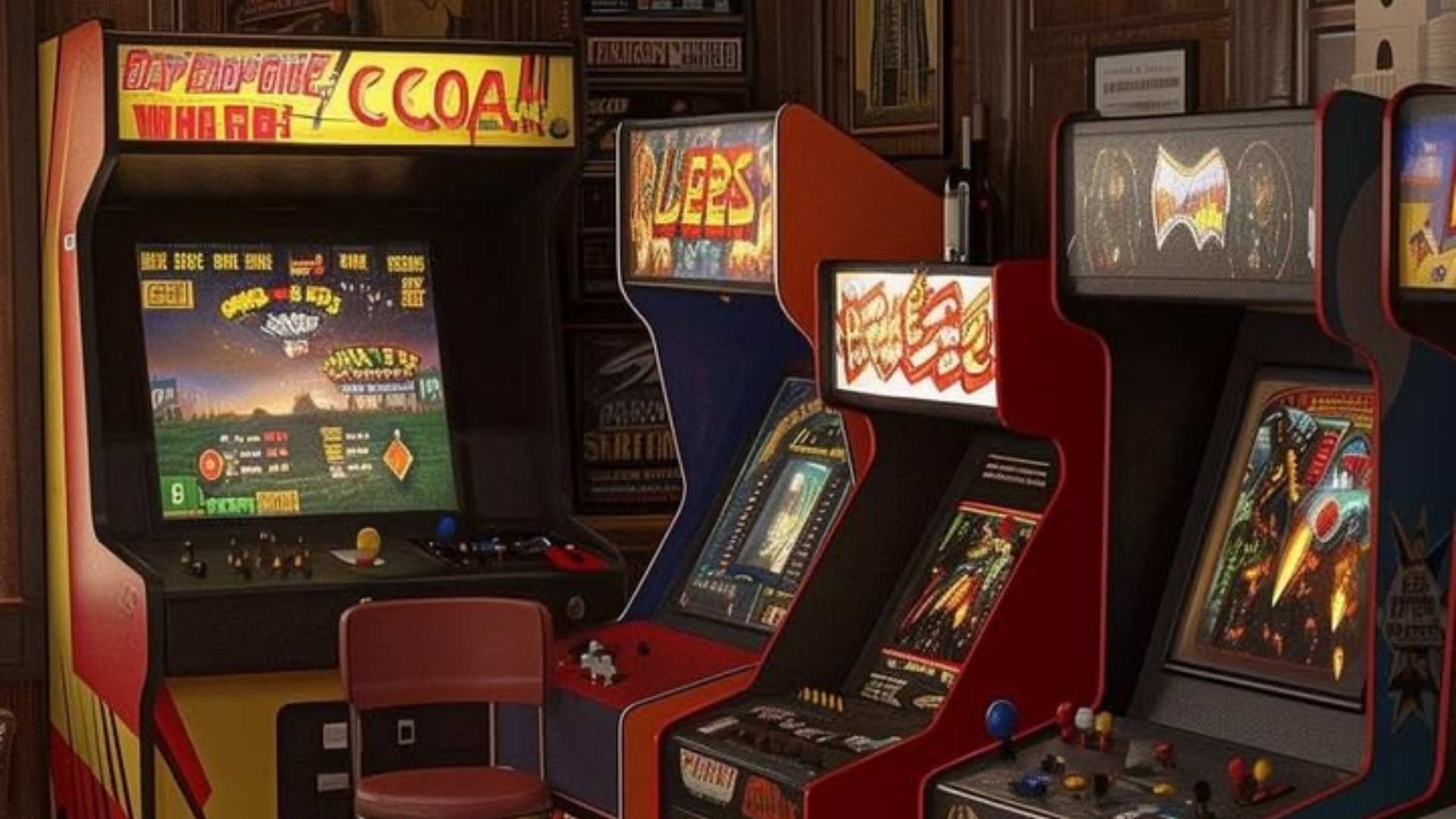
Digital gamification has transformed how modern organizations design incentive structures to boost user engagement and loyalty. Incorporating interactive selection mechanics allows businesses to break the monotony of traditional point accumulation systems. This guide explores the strategic implementation of randomized prize distributions to maximize participant satisfaction and long-term retention.
The Psychology of Variable Incentive Systems
Randomized rewards trigger heightened anticipation compared to static or predictable payout models. When users interact with a digital selector, the psychological thrill of uncertainty drives repeat visits. This engagement mechanism works effectively because it mirrors classic behavioral conditioning models found in digital entertainment hubs.
By varying the value of the prizes available on the interface, organizers can control participation velocities over extended campaigns. Smaller, frequent wins keep the audience motivated, while a single high-value target establishes long-term aspiration. Finding the perfect mathematical balance between these elements ensures sustained traffic without exhausting promotional budgets.
Designing a Balanced Allocation Matrix
A successful interactive campaign requires an analytical approach to segment distribution and prize weighting. Standard layouts often fail if the probability configuration does not align with the true cost of the rewards. Organizers must carefully calculate the mathematical expectancy of each rotation to maintain absolute financial sustainability.
Visual design also plays a critical role in how participants perceive fairness and value during the process. Highlighting premium segments using contrasting colors naturally increases the perceived value of the entire experience. Operators frequently rely on reliable structural frameworks like m88 link 2 to evaluate how modern random selection software performs under professional compliance standards.
Maximizing Corporate and Educational Engagement
Beyond traditional consumer marketing, randomized selection utilities serve as excellent tools for internal corporate training milestones. Managers implement interactive systems to distribute performance recognition badges or professional development opportunities fairly. This transparency eliminates potential workplace bias and creates a gamified culture of continuous improvement.
In educational settings, instructors utilize custom selectors to randomize classroom participation and assign micro-rewards dynamically. This approach turns repetitive lesson plans into highly collaborative events that students naturally look forward to attending. Instructors can seamlessly alter the input parameters to reflect current curriculum targets or weekly project goals.
Optimizing Performance and Tracking Analytics
To sustain momentum, organizers must consistently review performance analytics gathered from user interactions. Tracking metrics such as daily rotation counts and average session lengths provides deep insights into audience behavior. This data allows creators to refine their reward structures and update visual themes before engagement levels drop.
Ensuring mobile compatibility and smooth visual transition speeds is vital for maintaining a professional user experience. Visual lag or server delays during a critical rotation can quickly break user trust and damage brand credibility. Implementing lightweight web architectures guarantees that the interactive systems operate seamlessly across all digital devices.